Unlocking Visual Depth: A Comprehensive Look at the Pinky 3d Text Effect
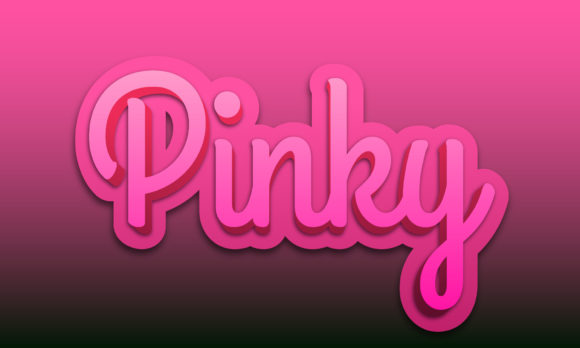
In the competitive landscape of digital design, typography is rarely just about conveying a message; it is about creating an immediate visual impact. The Pinky 3d text effect has emerged as a distinct solution for designers seeking to add depth and dimension to their projects without the steep learning curve associated with complex modeling software. This specific graphic element offers a unique blend of aesthetic appeal and practical utility, making it a valuable asset for professionals ranging from social media managers to brand identity specialists.
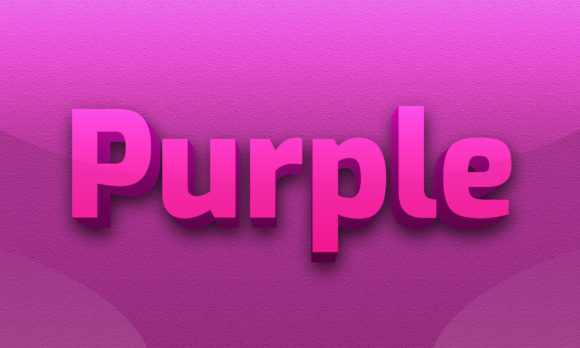
Understanding what this effect entails requires looking beyond the surface-level description. It is not merely a filter applied to flat text but a structured design component that simulates three-dimensional space through color manipulation, layering, and shading. The "Pinky" designation often refers to the specific tonal palette or stylistic approach used in the rendering, which leans towards vibrant, soft, yet impactful hues. For those evaluating design resources, distinguishing between a simple preset and a fully editable vector file is crucial for long-term workflow efficiency.
Core Features and Technical Specifications
The primary value proposition of the Pinky 3d text effect lies in its technical architecture. Unlike raster-based effects that lose quality when scaled, this design element is built within Adobe Illustrator CC2020, ensuring that every stroke, gradient, and shadow remains crisp regardless of the output size. The inclusion of RGB color mode further enhances its versatility, allowing for seamless integration into web graphics, mobile applications, and digital advertisements where screen fidelity is paramount.
One of the most significant advantages for users is the resolution capability. With a dimension of 2000x1200 pixels, the base file provides ample canvas for detailed work while maintaining a manageable file size. This high-resolution standard ensures that the text effect can be used for both large-format prints and high-density digital displays without pixelation artifacts. Furthermore, the use of free fonts included in the package removes a common barrier to entry for designers who might otherwise need to purchase expensive typefaces to achieve the desired look.
- Editability: The design is optimized for customization, meaning layers are organized logically to allow for quick changes in text content, colors, and dimensions.
- Software Compatibility: Built specifically for Adobe Illustrator CC2020, ensuring that all advanced features like global swatches and appearance panels function correctly.
- Color Precision: The RGB color mode is tailored for digital screens, providing accurate color representation across various devices.
- File Format: Delivered as a single AI file, streamlining the import process and reducing clutter in project folders.
Evaluating Fit: When to Choose This Graphic Element
Selecting the right design tool often comes down to understanding the specific needs of the current project. The Pinky 3d text effect is particularly well-suited for scenarios where speed and consistency are required. For instance, marketing teams producing daily social media content often need a reliable set of assets that can be tweaked rapidly. Because the file is optimized and customized, a designer can swap out the headline text and adjust the color scheme to match a new campaign theme in minutes rather than hours.
This effect also shines in branding contexts where a consistent visual language is essential. The specific 3D styling provides a sense of modernity and playfulness that resonates well with younger demographics or industries focused on creativity, such as tech startups, lifestyle brands, and entertainment services. The "Pinky" aesthetic, with its likely focus on warm or pastel tones depending on the specific variation, adds a human touch that rigid corporate fonts often lack.
However, it is important to recognize the limitations inherent in any pre-made design element. While the Pinky 3d text effect is powerful, it is designed for static or semi-dynamic use cases. If a project requires fully animated 3D text that rotates in real-time or interacts with user input, this vector-based static effect would need to be imported into animation software like After Effects. Even then, the complexity of animating the specific gradients and shadows of this effect depends heavily on the original layer structure. Therefore, it is best utilized as a foundational graphic rather than a standalone interactive element.
Comparative Analysis: Vector vs. Raster Alternatives
When researching options for 3D typography, designers often face a choice between vector-based templates like the Pinky 3d text effect and raster-based alternatives found in Photoshop or online generators. The distinction is critical for professional workflows. Raster effects rely on pixels, meaning that if a designer attempts to scale the text up for a billboard or a large poster, the image will become blurry and jagged. In contrast, the vector nature of this Illustrator file ensures infinite scalability.
Another point of comparison is the level of control offered during the editing process. Many online tools generate images that are locked behind paywalls or require complex masking techniques to alter. The Pinky 3d text effect, being delivered as an editable AI file, grants full access to the underlying geometry. Users can modify the extrusion depth, change the lighting direction, or alter the material finish by adjusting the gradient maps. This level of control is often absent in simpler, non-editable presets.
Yet, there are tradeoffs. Creating a custom 3D effect from scratch using manual tools allows for absolute uniqueness, whereas using a template means adopting a style that others may also have access to. However, the time saved by utilizing the Pinky 3d text effect usually outweighs the risk of generic styling, especially when the final design is customized with unique copy and color combinations. For most commercial applications, the goal is effective communication rather than reinventing the wheel, making this template a pragmatic choice.
Decision Factors for Professional Adoption
For professionals aged 20 to 50 navigating the complexities of modern design, the decision to adopt a specific resource often hinges on three factors: workflow integration, cost-effectiveness, and future-proofing. The Pinky 3d text effect scores highly on workflow integration due to its compatibility with industry-standard software. Designers do not need to learn new tools or manage complex plugins; they simply open the AI file and begin working.
Cost-effectiveness is another major consideration. While hiring a 3D artist to create custom typography can be prohibitively expensive for small businesses or individual freelancers, purchasing or accessing a template like this offers a one-time investment for unlimited use (subject to licensing). The inclusion of free fonts further reduces overhead, ensuring that the final deliverables do not require additional font licensing fees.
Future-proofing is achieved through the use of RGB color mode and high-resolution dimensions. As display technology evolves toward higher pixel densities, having assets that are already optimized for 2000x1200 pixels ensures longevity. Designers can rest assured that the files will remain relevant as they move from standard monitors to retina displays and beyond.
Practical Application Scenarios
To illustrate the versatility of this graphic element, consider a few realistic use cases. A digital marketer launching a limited-time offer might use the Pinky 3d text effect to create eye-catching banners for email newsletters. The ability to quickly change the text to reflect different promotions allows for agile marketing strategies. Similarly, a UI/UX designer working on a mobile app interface could utilize the effect for splash screens or feature highlights, adding a layer of polish that elevates the perceived quality of the application.
In the realm of event promotion, such as concerts or product launches, the dimensional quality of the text helps it stand out against busy backgrounds. The specific depth provided by the 3D effect creates a focal point that guides the viewer's eye directly to the key information. This is particularly useful in crowded digital environments where attention spans are short.
Ultimately, the Pinky 3d text effect serves as a bridge between artistic ambition and technical feasibility. It empowers designers to achieve sophisticated results without getting bogged down in the minutiae of 3D modeling. By providing a robust, editable, and high-quality foundation, it allows creative professionals to focus on strategy and storytelling rather than struggling with technical execution.
Whether you are a seasoned graphic designer looking to streamline your asset library or a business owner seeking to enhance your visual presence, evaluating the specific features of this tool is a wise step. Its combination of ease of use, technical optimization, and aesthetic appeal makes it a compelling option in the crowded market of design resources. By understanding its strengths and knowing exactly when to apply it, you can leverage this element to create designs that are not only visually striking but also strategically sound.